custom t-shirts Fabric Guide: Cotton, Polyester, Tri-Blend & Performance Materials
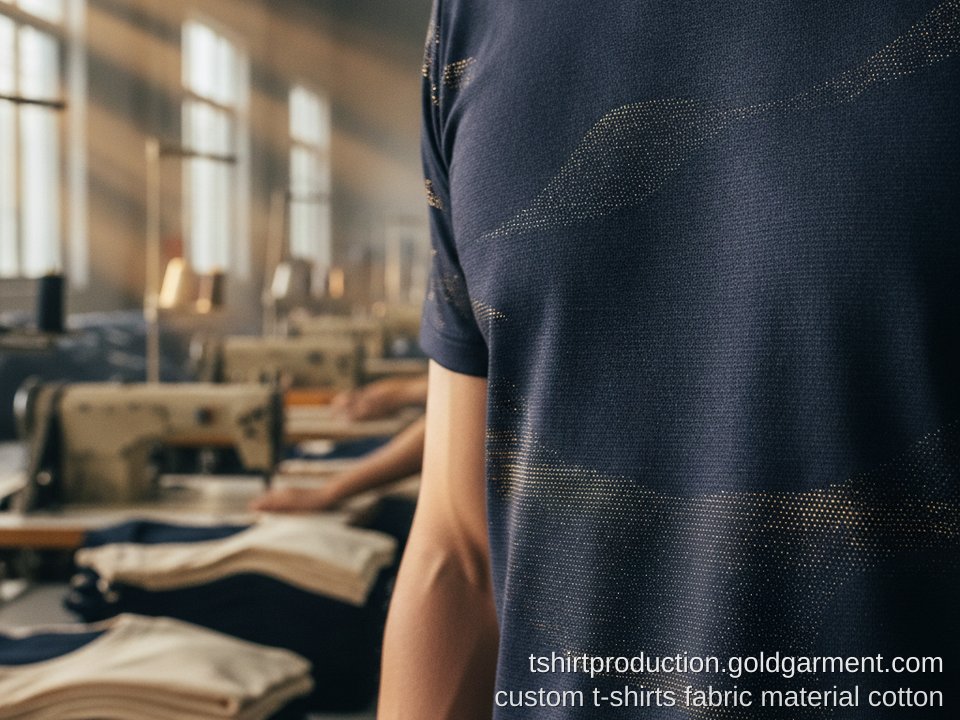
Custom T-Shirts Fabric Guide: Cotton, Polyester, Tri-Blend & Performance Materials
Selecting the right fabric is a foundational decision when ordering custom t-shirts. It impacts everything from comfort and durability to print quality and overall brand perception. For businesses seeking high-quality apparel that aligns with their brand ethos, understanding the nuances of different materials is paramount. This guide delves into the most popular custom t-shirts fabric material cotton, alongside polyester, tri-blend, and performance options, to help you make an informed choice.
At T-Shirt Production Vietnam, operated by Gold Garment, we understand that the fabric is the canvas for your brand. Our commitment to quality starts with meticulous material selection, ensuring that every custom t-shirt we produce meets stringent standards. We work closely with our clients to identify the perfect fabric that balances aesthetic appeal, functional requirements, and budget considerations. You can learn more about how Gold Garment selects materials to ensure superior end products.
Understanding the Core Custom T-Shirt Fabrics
The world of custom apparel offers a diverse range of fabrics, each with unique properties. While many blends and specialized materials exist, the foundation often lies with a few key players: cotton, polyester, and the increasingly popular tri-blend. Understanding their individual characteristics is the first step in choosing the best fabric for your needs.
1. Cotton: The Classic Choice
When people think of custom t-shirts, 100% cotton t-shirt manufacturer options often come to mind. Cotton is a natural fiber derived from the cotton plant, prized for its softness, breathability, and hypoallergenic qualities. It's a versatile material that feels comfortable against the skin and is well-suited for everyday wear.
Pros of Cotton:
- Softness & Comfort: Cotton is renowned for its natural softness, providing a comfortable feel for extended wear.
- Breathability: Its porous structure allows air to circulate, making it an excellent choice for warm climates or active use.
- Absorbency: Cotton effectively absorbs moisture, which can be beneficial for comfort but may lead to longer drying times.
- Hypoallergenic: It's generally well-tolerated by individuals with sensitive skin.
- Printability: Cotton takes well to various printing methods, offering vibrant and durable designs.
Cons of Cotton:
- Shrinkage: Untreated cotton can shrink significantly when washed and dried at high temperatures.
- Wrinkling: Cotton fabrics tend to wrinkle easily, requiring ironing for a crisp appearance.
- Durability (compared to synthetics): While durable, it may not hold up as well to extreme wear and tear as some synthetic blends.
For brands prioritizing a natural feel and excellent comfort, custom t-shirts fabric material cotton remains a top contender. We offer various cotton types, including combed cotton and ring-spun cotton, which undergo additional processing to enhance softness and strength.
2. Polyester: The Performance Powerhouse
Polyester is a synthetic fiber known for its exceptional durability, resistance to stretching and shrinking, and quick-drying properties. It's a popular choice for activewear, uniforms, and promotional items where longevity and easy care are essential. As a polyester custom t-shirts OEM provider, we see its advantages shine in demanding applications.
Pros of Polyester:
- Durability: Polyester is incredibly strong and resistant to abrasion, making it ideal for high-wear items.
- Wrinkle & Shrink Resistance: It holds its shape well and is less prone to shrinking or wrinkling compared to cotton.
- Quick-Drying: Its hydrophobic nature means it repels water, allowing it to dry much faster than natural fibers.
- Colorfastness: Polyester retains its color exceptionally well, resisting fading from washing and sunlight.
- Lightweight: Often feels lighter than cotton, contributing to comfort in active scenarios.
Cons of Polyester:
- Breathability: While improving, polyester can sometimes feel less breathable than cotton, potentially trapping heat.
- Static Cling: Can generate static electricity, leading to clinginess.
- Environmental Impact: As a petroleum-based product, its production has a higher environmental footprint than natural fibers.
Polyester is an excellent choice for sportswear, team uniforms, and promotional t-shirts that need to withstand frequent washing and heavy use. Its ability to wick moisture makes it a staple in performance apparel.
3. Tri-Blend: The Best of Both Worlds
The tri-blend fabric is a popular choice for its luxurious feel and balanced performance. Typically made from a combination of cotton, polyester, and rayon, it aims to leverage the strengths of each fiber. This blend offers a unique combination of softness, drape, and durability, making it a premium option for custom t-shirts.
Pros of Tri-Blend:
- Exceptional Softness: The combination of fibers, especially with the inclusion of rayon, results in an incredibly soft and comfortable fabric.
- Great Drape: Tri-blend t-shirts often have a flattering drape that looks and feels high-quality.
- Durability: The polyester component enhances the overall durability and resistance to shrinking.
- Vintage Feel: Often associated with a soft, slightly worn-in feel that many customers appreciate.
- Good for Printing: While some printing techniques might require specific considerations, tri-blends generally accept ink well.
Cons of Tri-Blend:
- Higher Cost: Generally more expensive than 100% cotton or polyester due to the blend of materials and manufacturing complexity.
- Less Absorbent: Can be less absorbent than pure cotton, which might be a consideration for intense physical activity.
- Shrinkage Potential: While reduced by the synthetic fibers, some minor shrinkage can still occur.
For brands looking to offer a premium feel and superior comfort, a tri-blend tshirt Vietnam manufactured by Gold Garment is an excellent option. This blend is perfect for retail brands, boutique apparel, and corporate gifts where a touch of luxury is desired.
4. Performance Materials: Engineered for Action
Beyond the core fabrics, a category of performance materials has emerged, specifically engineered for athletic and active use. These often involve advanced synthetic blends, microfibers, and specialized weaves designed to enhance functionality. They are typically lightweight, moisture-wicking, and quick-drying.
Key Features of Performance Materials:
- Moisture-Wicking: Designed to draw sweat away from the body to the fabric's surface, where it can evaporate quickly.
- Breathability: Engineered for maximum airflow to keep the wearer cool and comfortable.
- Odor Control: Many performance fabrics incorporate antimicrobial treatments to inhibit odor-causing bacteria.
- Stretch & Recovery: Offer excellent flexibility and return to their original shape after stretching.
- UV Protection: Some materials are treated or woven to provide protection against harmful UV rays.
These fabrics are ideal for sports teams, gyms, outdoor adventure companies, and any brand whose customers lead an active lifestyle. They represent the pinnacle of comfort and functionality in custom apparel.
Choosing the Right Fabric for Your Brand
The decision of which fabric to choose for your custom t-shirts depends heavily on your brand's identity, target audience, and intended use of the apparel. Consider the following factors:
- Target Audience: Are you catering to fashion-conscious consumers, athletes, or a general audience?
- Intended Use: Will the t-shirts be worn for everyday casual wear, sports, corporate events, or as promotional giveaways?
- Budget: Different fabrics come at varying price points. Cotton and polyester are generally more budget-friendly than tri-blends or specialized performance materials.
- Desired Feel: Do you prioritize extreme softness, a smooth finish, or a more rugged texture?
- Printing Method: While most fabrics are printable, some methods work better with specific materials. For instance, direct-to-garment printing can achieve excellent detail on cotton, while sublimation printing is ideal for polyester. Learn more about the manufacturing process in our guide on How custom t-shirts Are Made: The Complete Manufacturing Process Step-by-Step.
For brands looking for a comprehensive overview of manufacturing options, our custom t-shirts: Complete OEM & Private Label Manufacturing Buyer's Guide offers valuable insights. We also detail the differences between OEM vs Private Label custom t-shirts Manufacturing, which can influence fabric choices.
The variety of t-shirt styles available also plays a role. For example, a classic crew neck might be best suited for a durable cotton, while a more modern, athletic fit might benefit from a performance blend. Refer to our T-Shirt Styles Guide: Crew Neck, V-Neck, Polo, Henley & Performance Explained for more on this.
As a leading manufacturer in Vietnam, T-Shirt Production Vietnam by Gold Garment offers a wide array of fabric options to meet diverse client needs. Our factory in Ho Chi Minh City is equipped to handle orders starting from a MOQ 100 pcs, providing factory-direct pricing and worldwide shipping. Whether you need a reliable 100% cotton t-shirt manufacturer or a specialized polyester custom t-shirts OEM, we have the expertise and capacity to deliver. A real example of our capabilities can be seen in projects like those featured by Gold Garment corporate t-shirt manufacturer Vietnam.
Frequently Asked Questions
Q: Which fabric is best for printing custom t-shirts?
A: For vibrant and detailed prints, 100% cotton is often considered the best due to its smooth surface and ability to absorb ink. However, polyester is excellent for sublimation printing, which creates a permanent, full-coverage design. Tri-blends can offer a unique vintage print effect.
Q: How do I choose the right fabric for my brand's sustainability goals?
A: Opt for organic cotton, recycled polyester, or fabrics made from sustainable sources like bamboo or hemp. These materials generally have a lower environmental impact compared to conventional cotton or virgin polyester.
Q: What is the difference in feel between cotton and polyester t-shirts?
A: Cotton is naturally soft, breathable, and absorbent, offering a comfortable, lived-in feel. Polyester is smoother, more durable, and quick-drying, often feeling lighter and less prone to wrinkles. Tri-blends combine elements of both, offering exceptional softness and drape.
Choosing the right fabric is crucial for creating custom t-shirts that your customers will love and that accurately represent your brand's quality and values.
Let us help you select the perfect fabric for your next custom t-shirt order.
📩 Request a Free Quote — Response Within 5 Minutes
🌎 Website: tshirtproduction.goldgarment.com
Factory-direct pricing · MOQ from 100 pcs/style · Sample development · Worldwide shipping
Nhận xét
Đăng nhận xét